 Loading... Please wait...
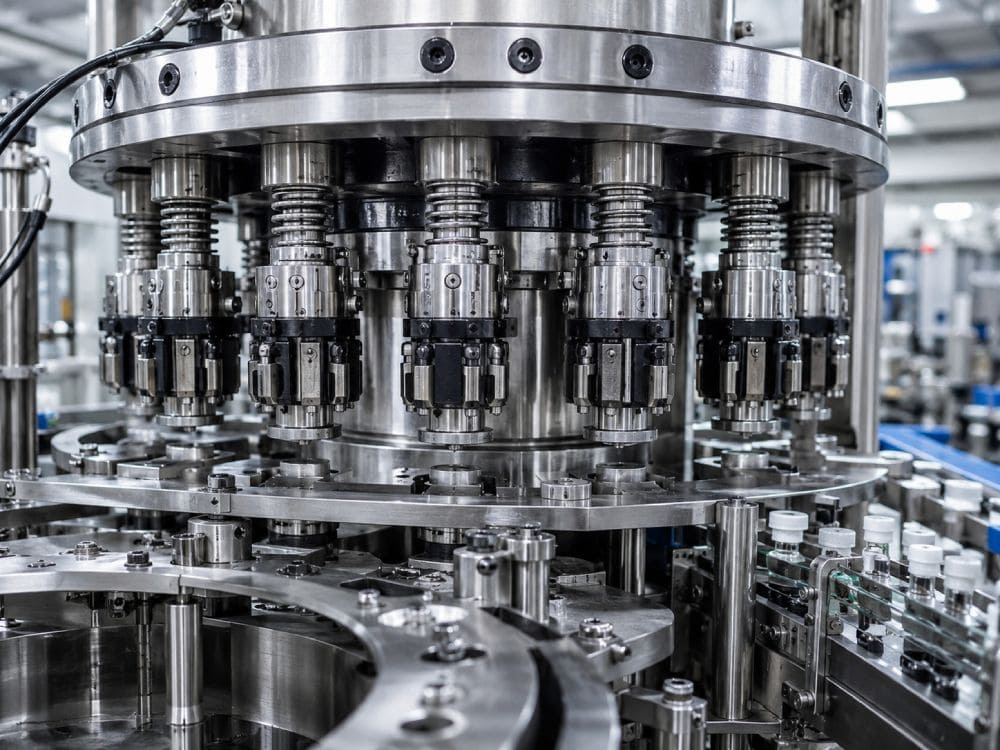
When it’s time to expand a production line or replace aging equipment, one of the first things that comes up is cost.
The price of a bottle capping machine depends on more than just the price tag. Between automation levels, material construction, and long-term operating expenses, total investment can vary widely. If you understand what drives those costs, you’ll be better prepared to make a smarter purchasing decision.
17 Factors That Influence Bottle Capping Machine Price
The cost of a bottle capper is shaped by multiple factors that go far beyond the sticker price. The machine’s automation level, size, materials, and customization options all play a role in its upfront price, while installation, maintenance, and long-term energy use can dramatically impact the total cost of ownership. External influences such as market conditions, taxes, and facility requirements also affect the final investment.
By examining each of these categories in depth, you’ll be equipped to set realistic expectations and budget effectively.
Initial Purchase Cost
The initial purchase cost of a bottle capper is the amount you will commit before the machine ever hits your floor. It reflects engineering complexity, the precision required for your caps and containers, and the level of automation you select. Decisions made here set the ceiling for speed, repeatability, and long-term reliability, so it pays to understand the tradeoffs.
1. Automation Level
The automation level of a capper makes a significant impact on price.
Entry level handheld or benchtop units favor simplicity and are ideal for pilots, labs, and very short runs. They rely more on operator technique, which can limit repeatability at higher volumes. Semi-automatic and automatic inline systems introduce controlled torque application, bottle control, and cap feeding to remove human variability and to stabilize yields. Rotary and monoblock platforms add continuous motion, multi-head capping, and recipe control that support high speeds and three shift production.
Each step up in automation raises precision and throughput while also increasing the purchase price and integration needs.
2. Size & Production Volume
Throughput targets measured in bottles per minute drive machine frame sizes, motor sizing, and control sophistication. The wrong match between machine size and volume creates hidden costs through downtime and quality escapes.
Equipment designed for low speeds can be compact and simple, while systems built for 100 bottles per minute and beyond need robust bottle handling, continuous duty components, and hardened wear surfaces. If you plan to grow volume over the next 12 to 24 months, sizing for headroom can prevent an early re-platform.
3. Materials & Construction
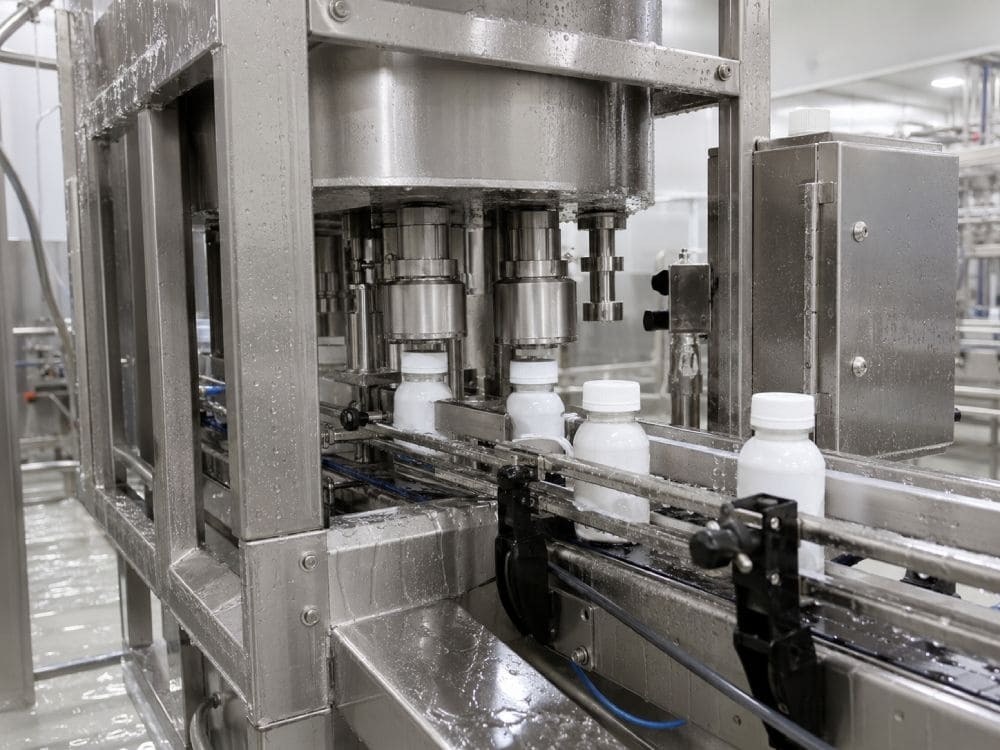
Hygienic and harsh environments require specific materials and finishes. For example, stainless steel 304 is common in general food and beverage use, while 316 is preferred for aggressive chemistries and saline exposure. Additionally, washdown ratings and sealed enclosures protect electronics and drives during sanitation.
Upgrading materials adds to purchase price but reduces corrosion, contamination risk, and long-term maintenance.
4. Customization
Your current production line, including cap elevators, vibratory bowls, bottle grippers, starwheels, and torque verification, often determines whether the capper fits your products or requires adjustments.
Customizations like vision inspection and automatic reject devices protect quality and reduce manual sampling, while custom guarding and compact frames help fit within tight footprints. Each option adds engineering time and components, which increases cost but lowers ongoing labor and scrap.
5. Brand & Reputation
Established original equipment manufacturers (OEMs) invest in documentation, spare parts stocking, and trained service networks, which creates faster problem resolution and higher resale value. The premium you pay is often returned in higher uptime and predictable performance. Lesser known brands may lower the upfront price but can raise risk if support is limited.
6. New vs. Used Machines
While new machines allow a perfect specification and full warranty coverage, used or refurbished machines can deliver similar performance when inspected, rebuilt where needed, and tested with your samples. The savings can be significant and can free budget for feeders, conveyors, or torque verification that impact yield. The key is buying from a supplier that documents the refurbishment process and proves results before shipment.
Ongoing Costs
The purchase price is only one part of the total cost of ownership (TCO). Day-to-day operation introduces labor, utilities, and maintenance that continue for the life of the asset. Keeping these items in mind helps you set a budget that matches real-world conditions.
7. Installation & Integration
Site preparation, utilities, and integration controls often require coordination across maintenance and engineering teams. Aligning the capper with fillers, labelers, and conveyors may involve line control logic, safety circuits, software updates, and bottle handling changes. These tasks add time and cost but pay back through smooth startups and fewer stoppages. Plan for Factory Acceptance Test (FAT) and Site Acceptance Test (SAT) work in the budget so performance targets are verified before and after delivery.
8. Operating Expenses
Even highly automated cappers require operators to load caps, monitor torque, and manage changeovers. Labor planning should include primary responsibility and backup coverage for each shift.
Additionally, lubricants, cleaning supplies, and cap feeding consumables become recurring line items. Tracking these costs against improved yield helps validate the business case.
9. Maintenance & Spare Parts
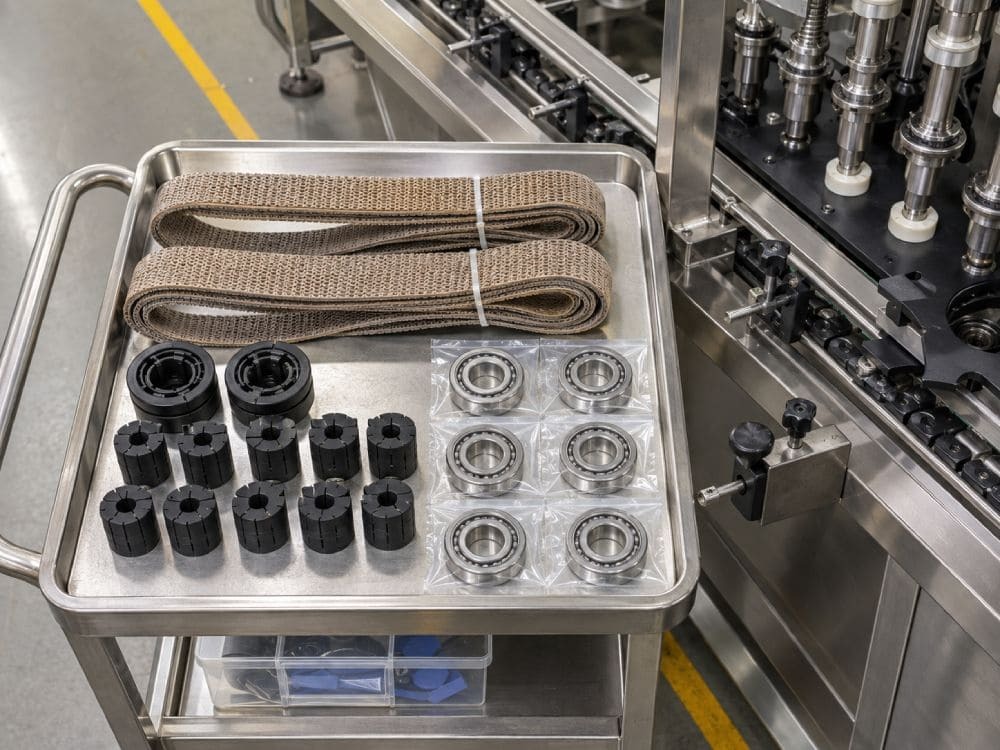
Wear parts such as gripper belts, chuck liners, and bearings have predictable lifecycles. A preventive maintenance schedule and a stocked spares kit reduce unplanned downtime and overnight freight charges. Access to local technicians or remote diagnostics further shortens mean time to repair.
10. Training
Operator and maintenance training protects your investment by reducing setup errors and scrap. Plan for initial sessions during commissioning and for refreshers after several months of real production. New hires and shift changes create knowledge gaps, so repeatable training assets and quick reference guides are valuable.
11. Scalability & ROI
A capper that accepts additional heads, higher speed recipes, or new closure styles extends useful life and increases ROI. Evaluate change part design, recipe storage, and controls capacity for future needs. When growth arrives, the ability to scale without replacing the platform preserves capital and shortens payback, and it’s often where a slightly higher initial price earns out.
12. Utilities & Energy Consumption
Electrical load, compressed air, and vacuum demand create a baseline operating cost for a bottle capping machine. Inefficient setups raise utility spend and can limit available capacity for other equipment. Measuring consumption after installation identifies opportunities for optimization such as pressure tuning, leak repair, and motor control adjustments.
Other Price Factors
External factors can shift timelines and change the final amount you pay. These items are not part of the machine itself, but they influence the overall project and cash flow.
13. Market Demand & Lead Times
Lead time strategy is often as important as price.
Periods of high demand extend manufacturing schedules and can raise prices across the industry. Early forecasting and flexible delivery windows help you secure production slots and avoid expedite fees. If timing is critical, a refurbished unit may bridge the gap while a new machine is built.
14. Taxes & Import Duties
Sales and use tax, customs duties, and brokerage fees vary by state and country. These charges can add a meaningful percentage to the project budget. Accurate estimates prevent last-minute budget changes, so confirm the tax treatment of equipment, spare parts, and services up front.
15. Transport & Shipping
Large equipment requires professional crating, insured freight, and precision rigging. Site access, door widths, and floor load ratings can determine the type of rigging needed and the time required.
Planning these details avoids delays on installation day and prevents damage. Include offloading and staging time in the schedule.
16. Insurance & Risk Coverage
Coverage during shipping and installation protects against loss events that can halt your project. Work with your insurer to confirm values, named insureds, and the timing of coverage transfer. Proper coverage supports fast resolution if an incident occurs. The premium is small relative to the potential interruption cost.
17. Facility & Environment
Hygienic design, clean room zoning, and hazardous location classification may require upgrades to floors, drains, ventilation, and electrical systems. Ceiling height, mezzanines, and egress routes affect where the capper can sit and how it will be serviced. Addressing these constraints early prevents redesigns and keeps the project on schedule. In other words, a good site survey pays for itself.
Budgeting for a Bottle Capper: Tips for Getting the Best Capping Machine Price
Budgeting for a capping machine involves comparing quotes as well as mapping your operational needs to the TCO and future scalability. The goal is to create a clear, data-driven plan that ensures your investment pays off across its entire lifecycle.
Start with Application, Not a Price Range
Before discussing costs, define your cap types, container sizes, torque requirements, and production speeds. This process helps narrow down which models meet your actual needs so you’re not chasing a price point that may lead to compromises.
Work with a Trusted Supplier
Reliable partners can evaluate your products, test samples, and suggest suitable machines based on real data. They’ll also help you assess compatibility with your current line, saving time and integration costs later.
Evaluate Used Options
Buying used doesn’t mean sacrificing quality. Reputable suppliers inspect, refurbish, and test used machines to ensure performance and reliability. You can often acquire a higher-end system at a mid-level price if you decide to purchase used or rebuilt equipment.
Compare Total Cost of Ownership
Don’t focus solely on the purchase price. Include TCO costs such as installation, spare parts, utilities, downtime, and maintenance in your analysis. This broader view helps identify where savings or risks might occur over time.
Plan for Future Growth
A flexible capper should scale with your production. Consider whether the system can handle new closures, faster speeds, or integration with additional automation.
Budget for Training & Maintenance
Investing in operator education and preventive maintenance pays for itself through reduced downtime and better product consistency. Consider refresher sessions six months after installation to reinforce learning.
Define Acceptance Criteria Early
Outline specific FAT and SAT standards before signing a purchase order. Setting measurable performance benchmarks upfront prevents costly misunderstandings during installation.
Why a High-Quality Used Capper Can Be a Smart Move
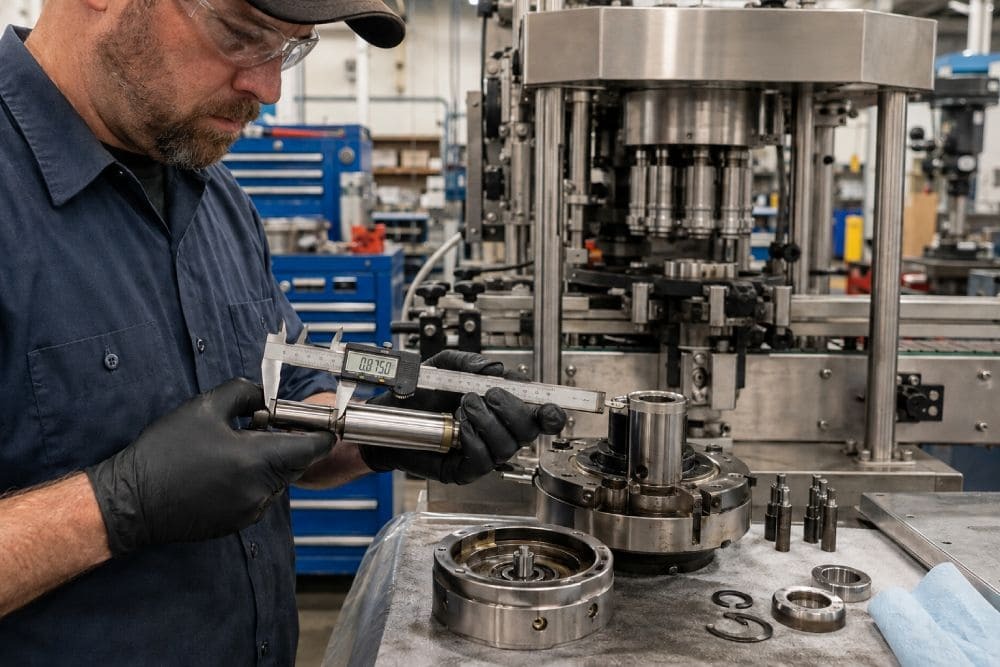
A used or refurbished bottle capper can be one of the most effective ways to add capacity and improve yield without overextending capital. When paired with a rigorous inspection and support plan, used equipment offers dependable performance and a faster path to payback.
Cost Savings Without Compromise
Lower acquisition cost does not have to mean lower capability when the refurbishment is thorough and documented.
A high-quality refurbished capper typically costs far less than a comparable new machine. The savings allow you to allocate budget to items that improve outcomes such as cap feeders, inline torque verification, or operator training. In many cases, you can step up to a higher tier platform for the same budget you planned for a new entry level machine.
Reduced Lead Times
Lead time is a frequent bottleneck for new equipment. Refurbished units are usually available much sooner because the core frame and drive systems already exist. That time advantage lets you hit seasonal demand, customer launches, or compliance deadlines that would be missed if you waited for a new build. Faster installation also reduces the period where labor and space are tied up without generating output.
Proven Reliability
Used machines have a production history that reveals strengths and wear patterns. Refurbishment replaces wear items, updates controls where needed, and verifies torque accuracy with your caps and containers. This process turns prior field experience into a benefit rather than a risk. The result is dependable uptime with fewer surprises during ramp up.
Sustainability & Waste Reduction
Sustainability can align with cost savings rather than working against it.
Buying refurbished extends the life of heavy industrial assets and reduces the raw material and energy required to build new frames and castings, which in turn supports corporate sustainability goals and can contribute to reporting on waste reduction. Many customers and auditors view responsible equipment sourcing as part of a broader environmental program.
Backed by Expert Support
The value of a used capper increases significantly when it comes from a partner that can supply change parts, documentation, and service. A strong partner inspects, tests, and proves the machine with your samples, then supports installation, training, and spare parts planning. Ongoing support keeps performance stable across shifts and product changes, and access to technicians who know the platform shortens the learning curve for your operators.
Bottle Capping Machine Price FAQs
What Is the Average Price of a Capping Machine?
Capping machine price varies widely depending on automation level, speed, and configuration. Entry-level benchtop units are the most affordable, while automatic inline and rotary systems cost significantly more due to their throughput and precision.
Why Do Two Cappers with the Same Speed Have Different Prices?
Beyond speed, construction materials, change part design, torque verification, and integration features drive cost differences. A machine rated for similar output may include additional automation, cleaner finishes, or control options that justify a higher capping machine price.
Are Used Capping Machines Reliable?
Yes, when sourced from a reputable supplier. Refurbished machines that have been inspected, tested, and fitted with replacement wear parts can perform as well as new systems. They’re an effective way to lower upfront investment without sacrificing quality.
Should I Buy a New or Used Bottle Capper?
If your operation demands full customization, strict validation, or continuous multi-shift output, a new capper may be worth the investment. For growing lines or budget-conscious projects, a quality used bottle capping machine offers the best balance between capability and cost.
What Ongoing Costs Should I Expect?
Beyond purchase price, plan for installation, maintenance, energy use, operator training, and spare parts. These factors affect total cost of ownership and should be included in any budgeting process.
How Can I Reduce the Total Capping Machine Price Over Time?
Focus on preventive maintenance, operator training, and proper changeover procedures to minimize downtime and repair costs. Energy-efficient models and modular upgrades also help reduce lifetime spending.
What Information Should I Gather Before Requesting a Quote?
List your cap and container types, torque specifications, production speeds, and environmental conditions. Additionally, supplying sample containers or a short video of your line helps suppliers provide accurate recommendations and pricing.
Find the Best Used Bottle Capping Equipment at Change Parts
At Change Parts, we help manufacturers find the right capping solution, whether that means a brand-new machine or a carefully inspected and refurbished used capper. Our team evaluates your cap and container samples, identifies the right setup, and provides a transparent budgetary quote that includes change parts, integration guidance, and realistic timelines.
Ready to get started? Contact us today. We’ll provide a tailored recommendation to help you choose the most cost-effective, high-performance capping solution for your line.


