 Loading... Please wait...
Efficient bottling operations depend on precision, speed, and consistency. One of the most significant challenges in these operations is managing changeover time—the period required to switch from producing one product to another. Long changeovers lead to costly downtime, decreased throughput, and missed delivery schedules.
Fortunately, proven strategies exist to minimize changeover time and maximize productivity.
What Is Changeover Time in Manufacturing?
Changeover time is the complete span of time required to transition a production line from manufacturing one product to another. On a bottling line, this process often involves multiple steps:
- Adjusting machinery for a different bottle size
- Changing out tooling or change parts
- Recalibrating equipment
- Sanitizing or cleaning surfaces
- Updating control system parameters
- Performing test runs to verify quality
In many plants, these transitions can take anywhere from a few minutes to several hours depending on the complexity of the product mix and the efficiency of the team performing the work.
What makes changeover time so critical is that it represents a period when the line is not producing saleable product. This lost production window directly affects a facility’s overall equipment effectiveness (OEE), output levels, efficiency, and profitability. Understanding and controlling changeover time is therefore one of the most effective ways to increase production capacity without new capital investment.
Setup Time vs. Changeover Time
Because the terms “setup time” and “changeover time” are sometimes used interchangeably, it’s important to clarify the distinction between setup time and changeover time. Each plays a role in production efficiency, but they capture different aspects of the process.
Setup Time
Setup time refers specifically to the actions required to get equipment or tools ready for operation. This process could include tasks such as adjusting machine settings, calibrating sensors, loading materials, or verifying that safety systems are functioning correctly. In the context of a bottling line, setup time might involve dialing in the correct torque for capping machines or verifying label placement before the first bottle is run.
Setup is about preparation—making sure all required systems are ready to perform the work before production begins.
Changeover Time
Changeover time is broader and encompasses setup time along with additional activities. It begins when production of the current product stops and ends when the first high-quality unit of the next product is produced. Changeover includes disassembly, cleaning, installation of new parts, making adjustments, performing test runs, and confirming the line is ready.
In many cases, changeover is the more critical metric because it represents the entire span of lost production during the transition.
How to Measure & Calculate Changeover Time
To reduce changeover times, manufacturers must first understand how to measure and analyze them accurately. An accurate assessment provides the foundation for identifying inefficiencies and developing improvement strategies.
Traditional Methods
Traditionally, manufacturers have used stopwatches, spreadsheets, and manual logs to monitor changeovers. The process typically involves recording when the previous production run stops, documenting each step performed during the changeover, and marking when the first acceptable product is produced from the new run.
This approach provides valuable insights into how long changeovers take and which steps consume the most time. However, manual tracking often lacks precision, introduces the possibility of human error, and can miss subtle inefficiencies in the workflow.
Machine Learning & Modern Analytics
Modern technology now makes it possible to track changeover activities with a much higher level of detail and accuracy. Machine learning, paired with Intent of Things (IoT) sensors and advanced analytics platforms, can capture micro-steps in real time—everything from how long a machine sits idle between adjustments to how different operators execute the same task. These tools can identify variations between shifts, highlight inefficiencies invisible to the naked eye, and generate predictive insights that help schedule changeovers more intelligently.
Rather than relying solely on historical averages, plants can now make data-driven decisions to continually refine and accelerate their changeover processes.

Why Reducing Changeover Time Matters
Reducing changeover time is not just about saving minutes. Successful changeover time reduction can completely transform the productivity and profitability of a bottling operation. The advantages extend across the entire business and create ripple effects that strengthen efficiency, customer satisfaction, and competitiveness.
Increased Productivity
Faster changeovers mean less downtime, allowing more production hours within a given shift. The cumulative effect of even small reductions in changeover time adds up quickly. For instance, trimming 10 minutes off each changeover across multiple shifts could add hours of extra production time each week. That additional capacity often translates directly into higher throughput and better use of existing resources.
Greater Flexibility
Shorter changeovers give manufacturers the ability to run smaller batches and adapt quickly to fluctuating customer demands. Instead of committing to long runs of a single product, companies can switch efficiently between different stock keeping units (SKUs). This agility is particularly valuable in today’s marketplace where consumers expect variety and fast turnaround.
Cost Savings
Reducing downtime lowers labor costs because workers spend more time on productive tasks rather than waiting for a line to restart. Additionally, fewer wasted materials occur when changeovers are smooth and precise.
Over time, the financial savings can be substantial, freeing up capital for reinvestment in other areas of the business.
Competitive Advantage
In a competitive industry, being able to promise and deliver quick turnarounds can be the differentiating factor that secures repeat business and long-term loyalty. Companies that can change over quickly respond faster to market shifts and customer requests. This responsiveness builds stronger relationships with clients, who value reliability and speed.
8 Steps to Reduce Changeover Time on Your Bottling Line
Improving changeover efficiency begins with a structured approach. By breaking down the process into clear, manageable steps, manufacturers can systematically uncover inefficiencies and implement solutions that make measurable improvements.
1. Document the Current Process
Start by mapping out each task involved in a changeover. Observe how long each step takes, who performs it, and where bottlenecks occur. This baseline analysis helps highlight inconsistencies and provides a benchmark for future improvement. Without this data, it’s nearly impossible to know where to focus efforts.
2. Separate Internal vs. External Tasks
Internal tasks require the line to stop, while external tasks can be performed while the line is running. For example, gathering change parts in advance is an external task, while installing them requires the line to be idle. Distinguishing between these categories means you can start shifting as many tasks as possible into the external group so the line spends less time completely stopped.
3. Eliminate or Simplify Steps
Review the documented process for unnecessary or overly complex steps. Ask whether certain tasks add value or whether they could be streamlined, combined, or automated. Often, time is lost in repeated movements, excessive tool changes, or redundant checks. Simplification reduces both time and the risk of errors.
4. Standardize Work Instructions
Standardization is one of the most effective ways to reduce variability and maintain predictable results.
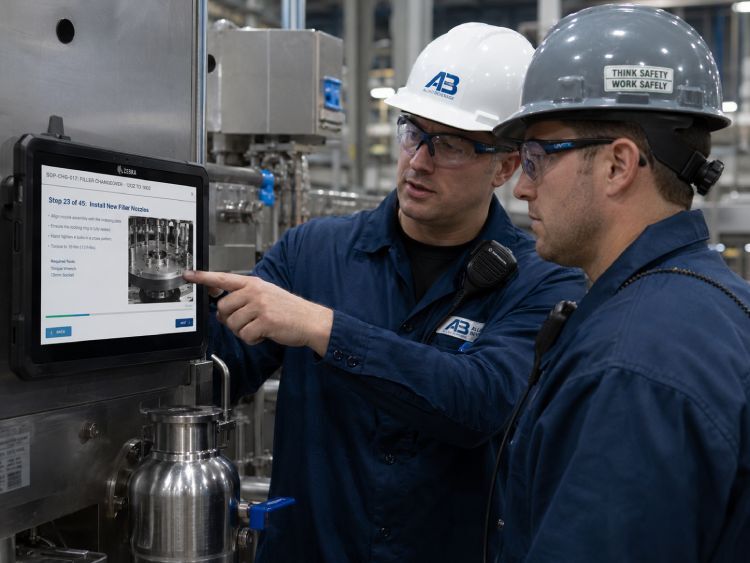
Clear, consistent standard operating procedures (SOPs) provide operators with reliable guidance. Visual aids, checklists, and step-by-step instructions minimize confusion and ensure that each changeover is performed the same way regardless of shift or team.
5. Use Quick-Change Tooling & Change Parts
Investing in well-designed quick change parts that are easy to install and remove pays dividends. Fast-release mechanisms, color-coded components, and ergonomic designs all shorten the time required for installation. These solutions reduce operator fatigue, limit mistakes, and accelerate the overall process.
6. Train & Cross-Train Operators
A skilled workforce is essential for efficient changeovers.
Training operators thoroughly in the changeover process ensures that they understand not only what to do but also why each step matters. Cross-training expands flexibility by enabling different team members to step in when needed, preventing bottlenecks caused by reliance on one or two experts.
7. Leverage Technology
Automation, sensors, and predictive analytics can guide operators through changeovers more quickly and accurately. Technology can suggest the best sequence of tasks, alert workers to missed steps, and record data for continuous improvement. Leveraging these tools reduces reliance on guesswork and ensures best practices are consistently followed.
8. Continuously Improve & Optimize
Treat changeover efficiency as an ongoing initiative rather than a one-time project. Regularly review performance metrics, gather feedback from operators, and experiment with new approaches. Continuous improvement ensures that time savings accumulate over months and years, making the plant more efficient over the long term.
Best Practices & Strategies for Changeover Time Reduction
Reducing changeover times is an organizational effort that requires teamwork, training, and leadership. Beyond individual steps, there are broader strategies and cultural practices that drive sustainable success.
Make It a Team Effort
Involving operators, technicians, engineers, and supervisors means that everyone contributes to the solution. When people feel ownership of the process, they are more motivated to find creative improvements and maintain standards. Collaboration also fosters a culture where feedback is valued and continuous improvement becomes second nature.
Apply the Single-Minute Exchange of Dies (SMED) Methodology
SMED principles focus on breaking down and reengineering each element of a changeover. By systematically moving tasks to the external category, streamlining internal steps, and reducing complexity, plants can slash changeover times from hours to minutes.
Applying SMED not only shortens downtime but also instills a disciplined approach to problem-solving.
Create Standardized Work Instructions (SOPs)
Clear, accessible SOPs help reduce operator variability. Visual diagrams, step-by-step guides, checklists, and digital instructions make complex tasks easier to follow. Over time, this standardization drives consistency, predictability, and faster training for new employees.
Invest in Specialized Change Parts
Ergonomically designed and easy-to-handle change parts significantly reduce time spent during transitions. Parts that are lightweight, clearly labeled, and designed for quick installation save precious minutes. The right parts can also improve safety by reducing the risk of improper installation.
Follow a Staging & Pre-Preparation Process
Preparing all necessary parts, tools, and materials before a changeover begins eliminates delays during the actual transition. By staging components in advance, operators can focus on installation rather than searching for items mid-process. This preparation also reduces stress on employees by creating a smoother, more predictable workflow.
Implement Continuous Training
Ongoing education helps employees stay aligned with the latest best practices and technologies. Training sessions provide opportunities to reinforce knowledge, address common mistakes, and introduce new techniques. Continuous learning not only improves skills but also boosts employee confidence and morale.
Adopt Machine Learning Analytics
Machine learning can reveal hidden inefficiencies and optimize changeover scheduling. Algorithms can analyze patterns in performance data and suggest the best order for tasks, predict potential delays, and even provide real-time guidance. These insights create a powerful feedback loop that drives sustained improvement.
Ready to Reduce Changeover Time for Your Bottling Line? Contact Change Parts
Reducing changeover time is one of the most impactful ways to boost bottling line efficiency and profitability. By combining lean manufacturing techniques with advanced technologies like machine learning, plants can cut downtime, increase flexibility, and deliver better service to customers. Every minute saved is another minute available for production, innovation, and growth.
At Change Parts, we specialize in providing high-quality change parts and solutions designed to make bottling line changeovers faster, easier, and more reliable. If you’re ready to unlock greater efficiency and stay competitive in a demanding industry, contact us today to learn how we can help streamline your operations.


