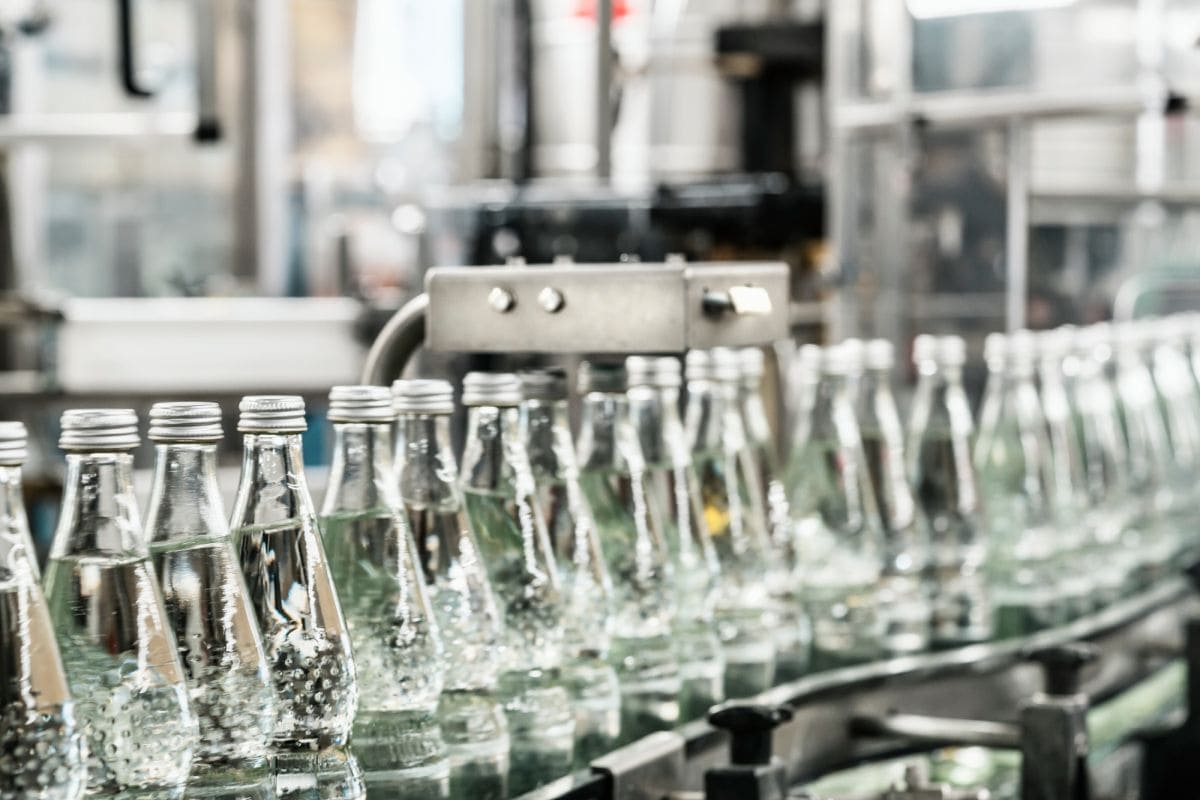
Investing in a bottling line is a major step for any manufacturer. Whether you’re a startup exploring your first semi-automatic setup or a large operation planning a high-speed, fully automated system, it’s a significant decision.
However, bottling line prices vary widely depending on several factors, ranging from system size, speed, and automation levels to whether the equipment is new or used. Understanding these variables and preparing a thorough cost analysis helps ensure your investment in a bottling line pays off with efficient, scalable, and consistent performance.
Average Bottling Line Cost Ranges
The cost of a bottling line can span a broad spectrum and is influenced heavily by the scale of production, the level of automation, and the type of liquid being bottled.
Entry-level systems are suitable for small batches or startups and require some manual labor. As businesses grow and demand increases, mid-range systems offer more throughput and greater automation. At the top of the scale, fully automated high-speed lines serve large manufacturers with continuous, high-volume production needs.
Entry-Level Systems
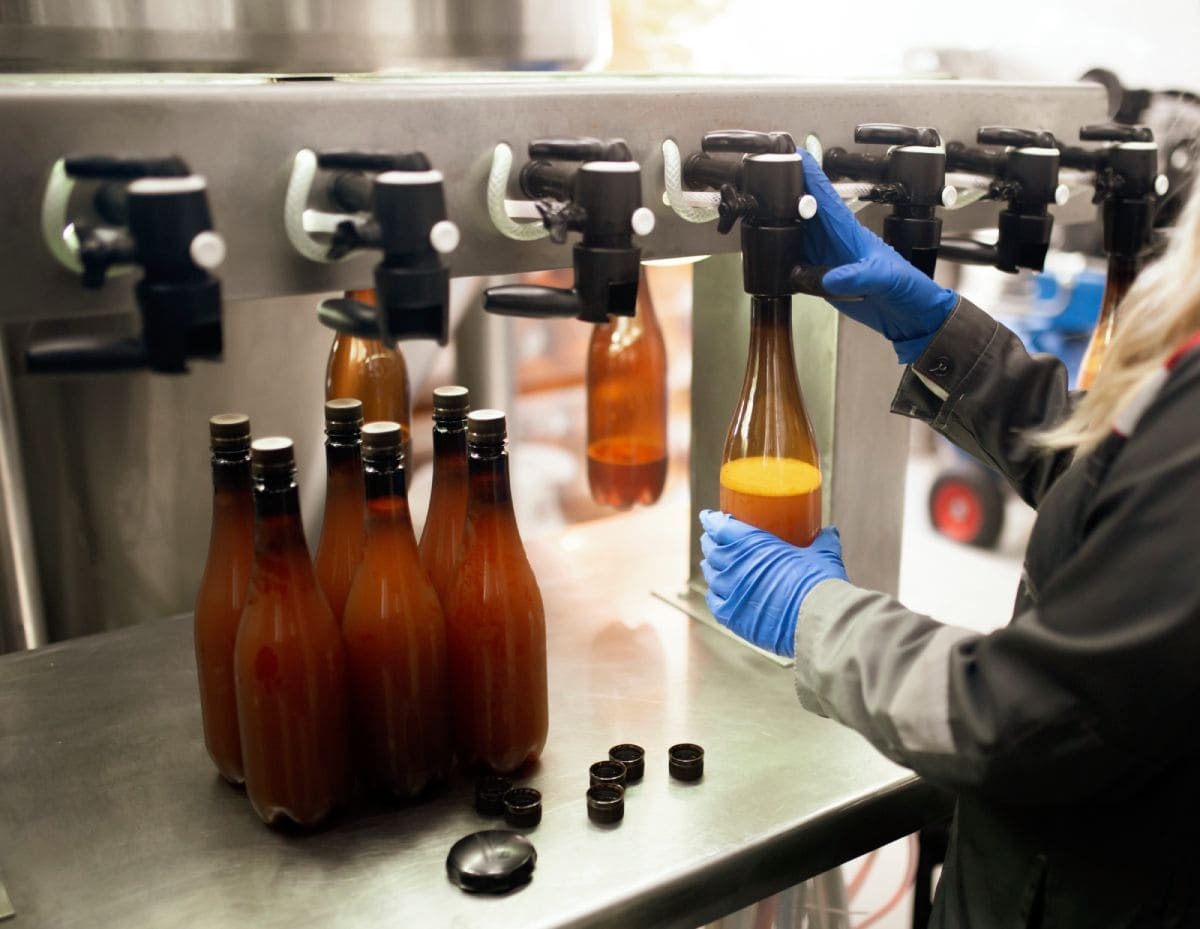
Entry-level bottling lines typically cost between $10,000 and $175,000. These systems are well-suited for small-scale operations, craft producers, and startups. Often semi-automatic, they require manual intervention at multiple stages, such as bottle loading, capping, and packing.
While these systems may be limited in terms of speed—typically handling between 100 to 250 cases per hour—they are cost-effective for low-volume production and ideal for businesses that are just beginning to scale.
Although the upfront investment is lower, operating costs can be higher over time due to labor and slower output.
Mid-to-High Volume Systems
Ranging in cost from $250,000 to $1 million or more, mid-to-high volume bottling lines are designed for growing operations looking to expand their output without sacrificing efficiency.
These systems generally include a higher degree of automation and are capable of handling 250 to 350+ cases per hour. Common features include automated bottle handling, integrated labeling, and precision capping.
These lines strike a balance between production speed and operational costs, which makes them ideal for companies experiencing steady demand and aiming for greater consistency and reduced labor requirements.
Fully Automated High-Speed Systems
For large-scale manufacturing operations, fully automated high-speed bottling lines represent the pinnacle of efficiency and throughput. These systems typically cost over $1 million and are capable of processing more than 350 cases per hour.
These lines can accommodate diverse product types and packaging formats, providing both flexibility and reliability. They feature advanced controls, minimal human intervention, and extensive integration of quality control measures.
While the upfront cost is substantial, the long-term savings in labor and gains in productivity can yield a strong return on investment.
9 Factors That Influence Bottling Line Cost
While the general price ranges offer a baseline, many variables impact the final cost of a bottling line. From equipment type to production needs and customization requirements, each factor can add or subtract from your total investment.
1. Level of Automation
Automation is one of the most significant factors influencing cost.
Semi-automatic systems, while more affordable initially, require more manual labor and supervision, which potentially increases long-term operational costs. Fully automated systems demand a higher upfront investment but offer greater efficiency, consistency, and scalability. They also reduce human error and require fewer operators, making them a smarter investment for manufacturers aiming to grow.
2. Speed & Output Capacity
The faster a bottling line operates, the more expensive it tends to be. Speed is directly tied to system complexity, requiring advanced machinery and software to maintain consistent fill levels, capping, and labeling at high speeds.
Evaluate your current and projected production needs to determine whether a high-speed line is necessary or if a slower, more affordable option will suffice for the foreseeable future.
3. Product Type & Liquid Characteristics
The physical properties of the product being bottled—such as viscosity, carbonation, and temperature sensitivity—dictate the type of filling technology required. For example, bottling carbonated beverages demands pressure fillers to preserve carbonation, while hot-fill products need specialized temperature-resistant components. These customizations contribute to overall system cost and complexity.
4. Line Components
Each bottling line is composed of multiple interconnected machines and can include the following:
- Rinsers
- Fillers
- Cappers
- Labelers
- Conveyors
- Packaging units
- Case erectors
- Weighers
The choice and quality of each component affect the total cost. For instance, high-speed servo-driven labelers or vision inspection systems with real-time defect detection will add significantly to the price tag compared to basic alternatives.
Additionally, how well these components integrate into a seamless workflow influences installation and commissioning costs.
5. New vs. Used Machinery
Choosing between new and used bottling machinery depends on your budget, timeline, and production goals.
Used or rebuilt equipment costs less upfront and offers faster availability, making it a great option for growing manufacturers on a budget—especially when sourced from reputable dealers who provide inspection records and support. However, it may come with limited customization options and higher maintenance needs.
New machinery offers the latest technology, energy efficiency, and warranties, but comes at a higher cost and often with longer lead times. If cost control and speed to production are priorities, well-maintained used equipment can be a smart, strategic investment.
6. Facility & Plant Size
The layout and size of your facility play a crucial role in cost planning. A compact plant may necessitate custom layouts or space-saving equipment, which can increase design and installation expenses. Conversely, a spacious facility can accommodate larger equipment with minimal customization, potentially reducing overall setup costs.
7. Customization & Special Features
Custom-built machinery tailored to your specific product and packaging requirements adds to the overall price. Features such as multiple bottle format compatibility, specialized nozzles, integrated data tracking, and clean-in-place (CIP) systems all contribute to higher initial investment but may improve operational efficiency and regulatory compliance.
8. Maintenance & Operating Costs
Beyond the purchase price, bottling lines incur ongoing costs related to servicing, parts replacement, and system calibration. Automated lines, in particular, may require skilled technicians for maintenance and software updates.
Budgeting for preventive maintenance and ensuring availability of spare parts can help avoid unplanned downtime.
9. Labor Costs
Labor costs vary significantly depending on the level of automation.
Manual lines demand more hands-on labor, which can be costly over time and introduce variability into production. Automated lines, although more expensive initially, reduce reliance on manual labor and ensure more consistent output, so they can be more cost-effective in the long run.
Tips for Lowering the Cost of Your Bottling Line (Without Compromising Quality)
Investing in a bottling line doesn’t have to break your budget. While it’s important not to cut corners that would affect product quality or operational safety, there are strategic ways to reduce your capital and operational expenses.
Here are several smart approaches to controlling costs without sacrificing integrity.
Buy Used Equipment Strategically
Purchasing pre-owned machinery can result in significant savings—often 30‒50% less than the cost of brand-new systems. Opting for slightly older but well-maintained models with strong parts availability can strike a great balance between cost-efficiency and reliability.
To avoid costly surprises, it’s important to source from reputable dealers who provide inspection reports, service histories, and warranties.
Optimize Your Line Layout
A well-planned layout saves on future modifications, minimizes product handling time, streamlines labor, and reduces installation complexity. Whether you’re designing a new facility or upgrading an existing one, work with engineers who can customize the layout to your production space.
Modularize Your Investment
Instead of purchasing a fully integrated bottling line all at once, consider building your system in stages. Start with essential components and add modules like automatic labelers or case packers as your budget and production needs grow.
This modular approach allows you to scale strategically without a massive upfront cost.
Reconfigure Existing Equipment
If you’re expanding capacity or introducing new product types, look into retrofitting existing machinery. In many cases, fillers, cappers, and conveyors can be upgraded with new nozzles, parts, or software to handle new SKUs. Retrofitting is often more affordable than full equipment replacement and can extend the life of your current assets.
Train Operators to Maximize Efficiency
Investing in staff training may not directly impact equipment costs, but it helps minimize downtime, reduce waste, and ensure smooth operation. Skilled operators can troubleshoot basic issues, perform routine maintenance, and operate machinery at optimal speeds—all of which contribute to overall cost savings.
Ready to Invest in the Right Bottling Line for Your Needs? Contact Change Parts
There is no one-size-fits-all answer when it comes to bottling line costs. The best solution depends on your production goals, budget, available space, and the specific characteristics of your product.
Carefully evaluating your needs and consulting with experienced bottling line manufacturers or integrators like Change Parts can help you find the right setup. Contact us today or explore our range of used bottling line equipment to get started.
 Loading... Please wait...