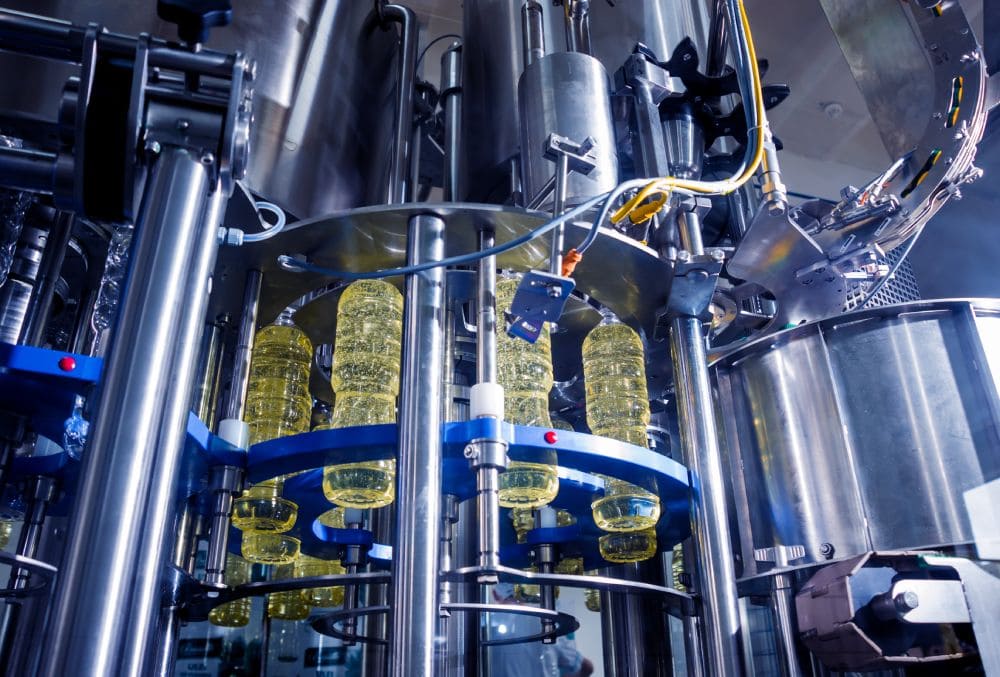
Behind every seamless production run and every perfectly packaged product lies a set of hidden champions: change parts. These precision-crafted components make it possible for packaging machines to adapt and thrive in fast-paced, ever-evolving manufacturing environments. Whether your line handles bottles, pouches, or cartons, the right change parts can transform a rigid system into a versatile powerhouse.
By understanding how change parts work and why they matter, you can unlock new levels of speed, reliability, and cost savings in your operations.
What Are Change Parts?
Change parts—sometimes referred to as format parts, size change parts, conversion parts, stars and guides, or container handling parts—are specialized components that allow packaging machines to adjust to different product sizes, shapes, or configurations without replacing the entire system. They include items like timing screws, guide rails, star wheels, or chucks, all designed to guide and handle materials smoothly through complex machinery.
These parts are not generic; they are engineered to fit a specific machine model and tailored for precise functions.
Swapping out change parts allows operators to convert a single production line to handle a wide variety of packaging formats. This versatility makes them essential for manufacturers looking to respond quickly to shifting market demands and product innovations.
Types of Change Parts
The world of change parts is not one-size-fits-all. Each type is designed with unique goals in mind, so it’s important to understand your options before investing.
OEM-Style Change Parts
Original equipment manufacturer (OEM) parts are built to match the exact specifications of the machine as it was designed. They provide an assurance of compatibility and precision fit, which is critical for maintaining optimal performance over time.
OEM parts often go through rigorous testing and quality control to ensure they meet the manufacturer’s standards. They are ideal for companies seeking a like-for-like replacement without experimenting with alternative designs.
While they tend to come at a premium, the peace of mind they offer can be worth the investment in certain high-tolerance environments.
Quick Change Parts
Designed for agility, quick change parts focus on reducing the time and effort needed to perform changeovers. These components often feature tool-less installation, intuitive locking mechanisms, and lightweight designs that empower operators to switch parts in minutes instead of hours. This ability to pivot rapidly between product runs makes them invaluable in facilities with high product variety or frequent changeovers.
Quick change parts not only improve uptime but also reduce labor costs by simplifying the process. Over time, they can dramatically increase the overall throughput of a production line.
Custom or Aftermarket Parts
Beyond OEM options, many facilities turn to custom or aftermarket parts to meet specific needs. These parts are often engineered by specialized providers to enhance machine performance, extend lifespan, or handle unique product challenges. Companies seeking a competitive edge may opt for these solutions to improve ergonomics, integrate new technology, or increase machine versatility.
Aftermarket change parts can also offer cost benefits compared to OEM alternatives, while still delivering exceptional results. When carefully sourced, they can become a secret weapon in boosting operational efficiency.
Examples & Applications of Change Parts in Packaging Machines
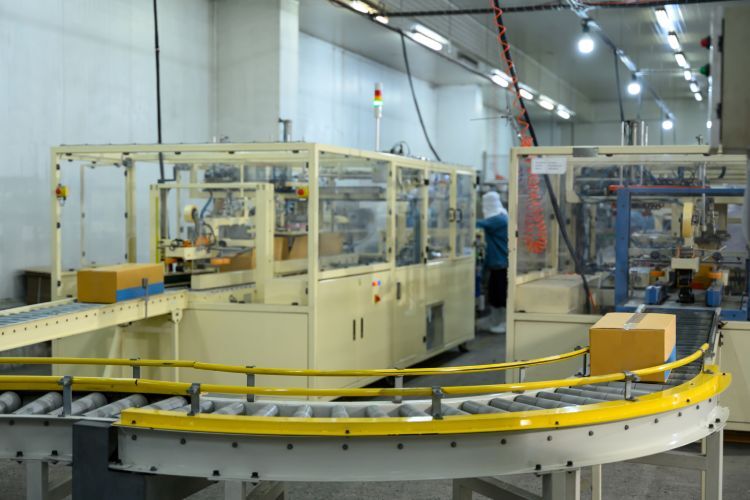
Change parts show up in countless areas of packaging machinery, where they silently drive performance and adaptability. They enable manufacturers to run diverse product lines without purchasing entirely new equipment, making them a cornerstone of smart production strategies.
Bottling & Filling Lines
Change parts such as neck guides, timing screws, and star wheels allow a single filling machine to handle bottles of varying diameters, heights, and shapes. By swapping these components, operators can ensure containers move smoothly, without jamming or misalignment. This adaptability is especially valuable for beverage producers who frequently launch new bottle designs.
With the right parts, changeovers become seamless, and production schedules stay on track. Ultimately, these parts ensure consistent fill levels, minimizing waste and boosting quality control.
Labeling Equipment
Labeling machines rely on rollers, guides, and label pads designed to match container profiles. Changing these parts allows one machine to apply labels precisely on round bottles, square jars, or uniquely shaped packages. With accurate alignment, products maintain a professional appearance, critical for brand integrity and customer satisfaction.
Efficient change parts also prevent misfeeds that could lead to costly rework. Operators leveraging these components gain the flexibility to run multiple stock keeping units (SKUs) on the same equipment without sacrificing speed.
Capping Machines
In capping stations, chucks, grippers, and cap sorters can be swapped to handle various cap styles, from screw caps to snap fits. Each part ensures that closures are applied with the correct torque and alignment, avoiding leaks or customer complaints.
Changing these components allows facilities to switch between product lines swiftly, maintaining production efficiency. This adaptability becomes especially important when seasonal products or promotional packaging enter the mix.
The result is a capping process that keeps pace with demand while maintaining consistency.
Cartoning & Case Packing Lines
Machines that erect, fill, and close cartons also use change parts like adjustable guides, forming tools, and flap tuckers. These components make it possible to run cartons of different dimensions without excessive downtime. Swapping out these parts ensures tight seals and proper alignment, critical for protecting goods in transit.
They also help minimize machine stress, reducing wear and preventing unexpected breakdowns. Over time, they extend equipment longevity and streamline production planning.
When Are Change Parts Needed?
In manufacturing environments, change parts become vital whenever product or operational requirements evolve. There are several situations where they play a pivotal role.
Introducing a New Product Size or Shape
When a company launches a new container size or switches to a unique package design, existing parts may no longer fit. Change parts allow a seamless transition, ensuring the machine can guide, hold, and process the new product flawlessly. Without them, manufacturers would face costly delays or the need to invest in entirely new equipment.
This flexibility empowers companies to innovate faster. It also helps them maintain a competitive edge in industries driven by constant product evolution.
Switching Packaging Materials or Designs
A change in material—like from glass to plastic or from rigid to flexible packaging—can alter how products move through machinery. Change parts tailored to the new material ensure smooth, efficient handling without damaging the product or the equipment. This adaptability is crucial for maintaining quality and avoiding production hiccups.
It also opens the door to experimenting with sustainable materials. With the right components in place, innovation becomes a manageable and profitable process.
Speeding Up Changeovers
High-demand production environments often require rapid changeovers to minimize downtime between product runs. Quick change parts and well-designed components enable operators to complete these transitions swiftly.
Instead of hours spent recalibrating, production can restart in minutes, maximizing throughput. This agility is especially important in industries with tight deadlines or frequent promotional runs. Additionally, in the long run, faster changeovers translate to significant labor and operational cost savings.
Extending Equipment Capabilities
As companies grow, they often push existing equipment to handle new tasks. Change parts expand what a machine can accomplish, which allows manufacturers to adapt without major capital expenditures.
This approach conserves resources while still achieving business goals. It also provides a scalable solution for companies exploring new product lines. By leveraging change parts, facilities can grow production capacity without the burden of purchasing additional machinery.
7 Benefits of Change Parts
Manufacturers who invest in quality change part components unlock a host of benefits that directly impact their bottom line and operational success.
1. Reduced Wear & Tear
Precision-engineered change parts ensure that each movement in the machine is smooth and controlled, which not only prevents unnecessary stress on other components but also extends their lifespan. Over time, it leads to fewer unexpected breakdowns and less frequent repairs.
With reduced wear and tear, maintenance schedules become more predictable and manageable. The result is equipment that stays reliable even under demanding conditions.
2. Minimized Errors
Misfeeds, jams, and alignment issues often stem from mismatched or worn-out parts. High-quality change parts eliminate these problems by providing a perfect fit and smooth product flow.
With more consistent output and fewer defective items, operators spend less time troubleshooting and more time running production. In turn, customer satisfaction increases because products reach the market without flaws.
3. Lower Downtime
Every minute a machine is idle costs money.
Change parts designed for quick installation and reliable performance cut down on this downtime significantly. Instead of extended maintenance windows, machines can be back in action rapidly. This agility keeps production schedules on track, even during peak periods. Over the course of a year, these saved hours add up to substantial financial gains.
4. Increased Flexibility
Markets evolve quickly, and manufacturers must keep up. Change parts make it possible to pivot between products or materials without major equipment investments. This flexibility supports product innovation and lets companies respond to customer trends almost immediately.
Similarly, change parts create opportunities to expand product lines without overwhelming capital budgets.
5. Improved Efficiency & Speed
When parts align perfectly with machine requirements, production flows smoothly and swiftly. Change parts that are optimized for your equipment reduce friction and resistance, allowing for higher operational speeds. They enable operators to meet or exceed daily quotas without sacrificing quality, translating into greater overall long-term throughput. Efficiency becomes the standard, not the exception.
6. Cost Savings
While change parts represent an upfront investment, the long-term savings are undeniable. Fewer repairs, reduced waste, and minimized downtime all contribute to lower operational costs. Companies also save by avoiding the purchase of entirely new machines when product requirements shift.
These financial benefits create a compelling case for incorporating change parts into any production strategy. It’s a solution that pays for itself many times over.
7. Enhanced Accuracy
Precision components guide products through each step of the packaging process with exacting control. This process leads to perfect label placement, consistent fills, and secure seals every time. Errors become rare rather than routine, and quality assurance teams can focus on innovation rather than corrections.
Customers also notice the difference in product presentation and reliability. In competitive markets, that attention to detail sets brands apart.
Where to Get Packaging Machine Change Parts
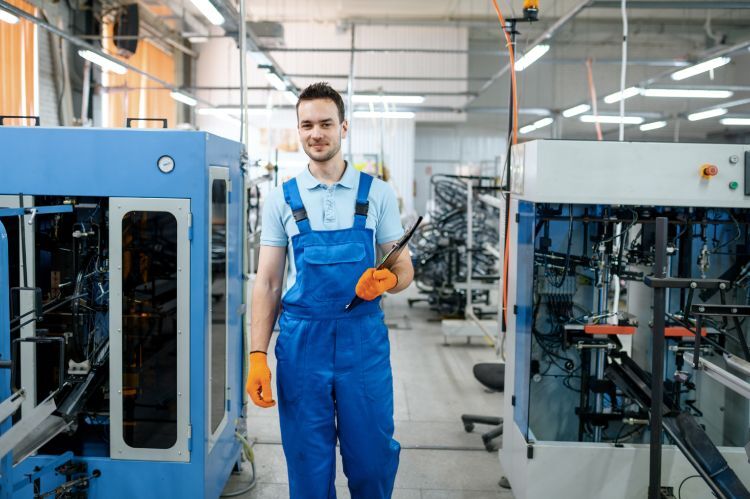
Sourcing the right change parts can make all the difference in your packaging line’s performance. While there are multiple avenues available, it’s important to choose a provider that prioritizes quality, responsiveness, and deep industry knowledge.
OEM Parts
Original equipment manufacturers offer parts built to their machines’ exact specifications. These components deliver reliable compatibility and are often the go-to for businesses seeking a direct replacement.
However, OEM parts can come with higher costs and longer lead times, which may not be ideal for operations needing quick turnarounds. While they serve as a safe option, they may not always provide the flexibility or customization modern production environments demand.
Specialized Providers
Specialized suppliers focus on delivering high-quality components tailored to real-world manufacturing needs. They not only match OEM standards but often exceed them by offering improvements in durability, ease of use, and changeover speed. With faster lead times and the ability to customize parts for unique applications, companies like Change Parts give you an edge over relying solely on OEM solutions.
Partnering with a specialized provider means tapping into expert guidance, innovative designs, and exceptional customer service—all aimed at keeping your production running smoothly and profitably.
How to Choose the Right Change Parts Provider
Selecting the right partner for your change parts needs is just as important as the parts themselves. A provider who understands your equipment, industry, and operational goals can make all the difference.
Use these steps to guide your decision.
Evaluate Technical Expertise
Start by considering the depth of knowledge a provider brings to the table. Do they have experience with your specific type of machinery or industry? At Change Parts, for instance, we’re known for deep technical expertise and engineering insight, ensuring every component is optimized for peak performance.
A team that understands both the science of packaging and the art of efficient changeovers can offer solutions that go beyond standard replacements. Advanced expertise reduces trial-and-error and speeds up implementation.
Assess Lead Times & Availability
Downtime costs money, so choosing a provider with fast turnaround times is critical. Ask about average lead times, inventory levels, and the ability to expedite orders when necessary.
Providers with extensive inventories and streamlined fulfillment processes offer a competitive advantage. Always ensure they can meet your schedule before committing.
Look for Customization Options
Not every production line fits an off-the-shelf solution. Seek a provider that offers customization to meet unique operational needs. A provider willing to collaborate on custom solutions demonstrates a true commitment to your success.
Change Parts specializes in tailoring components to exact machine and product specifications, resulting in perfect alignment and smooth performance. The level of personalization we offer can dramatically improve efficiency and reduce long-term costs.
Review Quality Standards & Support
High-quality change parts are an investment in your future productivity. Ask potential suppliers about their quality control processes, material standards, and certifications. Also, consider the level of customer support offered. Having responsive experts available for questions and troubleshooting can save you valuable time.
A great provider becomes a trusted partner, not just a vendor.
Compare Overall Value
Finally, weigh the total value rather than focusing solely on price. A lower upfront cost may lead to higher downtime or more frequent replacements. Look for a provider that aligns with your production goals and delivers solutions that enhance your operation’s profitability.
At Change Parts, we offer competitive pricing while delivering superior reliability, customization, and service, making them a cost-effective choice in the long run. When you balance quality, service, and price, we consistently come out ahead.
Partner with Change Parts Today to Keep Your Packaging Line Running
If your goal is to run a packaging line that’s agile, efficient, and ready for whatever the market throws your way, the right change parts are a must. But don’t settle for generic components that barely get the job done. Work with a trusted partner who understands your industry and can deliver parts that enhance your equipment’s performance.
Contact Change Parts today to shop for high-quality parts that will keep your machinery running at peak efficiency. Let us help you transform challenges into opportunities and keep your packaging line moving forward with confidence.
 Loading... Please wait...