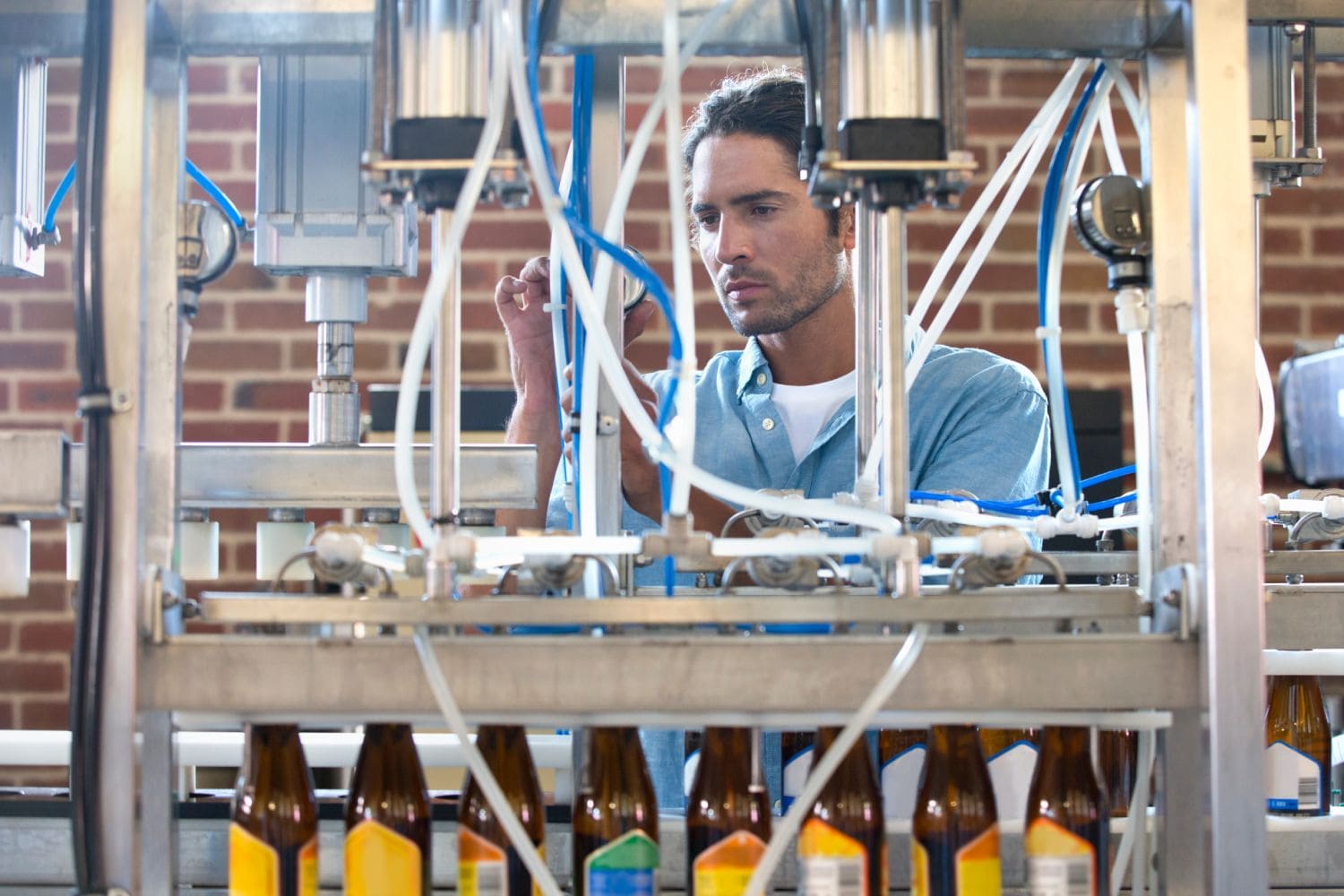
Liquid packaging machines are the backbone of many manufacturing operations. When working at full capacity, they provide efficiency, precision, and speed in product packaging.
However, like all industrial equipment, these machines are subject to wear and tear. Without proper maintenance, even the most advanced systems can fail prematurely, leading to costly downtime and reduced productivity.
Maintenance plays a pivotal role in maximizing uptime, ensuring product quality, and safeguarding your investment in high-value liquid packaging equipment.
The Importance of Liquid Packaging Equipment Maintenance
Regular maintenance of liquid packaging equipment is an important part of ensuring smooth operations and achieving long-term cost savings.
These machines perform complex functions like filling, sealing, capping, and labeling, often at high speeds and with tight tolerances. The repetitive stress placed on moving parts, combined with exposure to liquids and chemicals, can lead to premature wear and system failures if not properly maintained.
Preventive maintenance not only helps reduce the risk of unplanned downtime but also improves operational consistency, extends the usable lifespan of machinery, and ensures compliance with health and safety regulations. Furthermore, properly maintained equipment contributes to higher-quality packaging output, minimizes waste, and boosts overall productivity on the production line.
Key Areas for Liquid Packaging Equipment Maintenance: What to Keep an Eye On
To get the most out of your liquid packaging equipment, it is crucial to understand and focus on the components that demand consistent upkeep. These key areas represent the heart of your system, and giving them proper attention can drastically improve your machine’s performance and longevity.
Filling Systems
The filling nozzles, pumps, and valves are integral to delivering accurate liquid volumes into containers. Residue buildup, clogs, or wear in these components can lead to inconsistent fill levels or product contamination.
Regular cleaning and inspection are necessary to ensure the system remains sanitary and efficient. Proper calibration and prompt replacement of worn parts are also essential to prevent production delays and costly product loss.
Conveyors & Belts
Conveyors facilitate the smooth movement of containers through various machine stages, from filling to sealing. If belts are misaligned, too loose, or worn, they can cause jams, spillage, or misfeeds.
Regular tension checks and alignment inspections are critical for preventing stoppages. Replacing damaged or degraded belts ensures the entire system runs without interruptions.
Electrical Components
The electrical system powers your machine’s sensors, motors, control panels, and automation functions. Over time, electrical wiring can loosen or degrade, and sensors may lose calibration.
Periodic diagnostics and careful visual inspections can catch emerging issues before they cause malfunctions. Cleaning contacts and verifying connections help prevent system errors and maintain safety compliance.
Sealing Units
Reliable sealing is vital to ensuring package integrity and preventing leaks. Heat sealers and crimpers must be clean and operate at consistent temperatures to create effective seals. Debris or wear can interfere with sealing pressure and cause poor closure quality.
Routine inspections and recalibration help maintain package consistency and prevent product waste.
Lubrication Points
Friction is the enemy of longevity in any machine with moving parts. Bearings, chains, gears, and other motion components must be lubricated at recommended intervals using the correct type of lubricant.
Neglecting lubrication can lead to accelerated wear and eventual component failure. By following a structured lubrication schedule, you can help extend the life of critical parts and improve operational smoothness.
HMI & Software
The human-machine interface (HMI) and software systems control and monitor all operations. Outdated firmware or software bugs can introduce operational inefficiencies or security vulnerabilities.
Regular updates and performance diagnostics ensure your systems remain responsive and accurate. Additionally, keeping HMI screens clean and calibrated also enhances operator interaction and reduces programming errors.
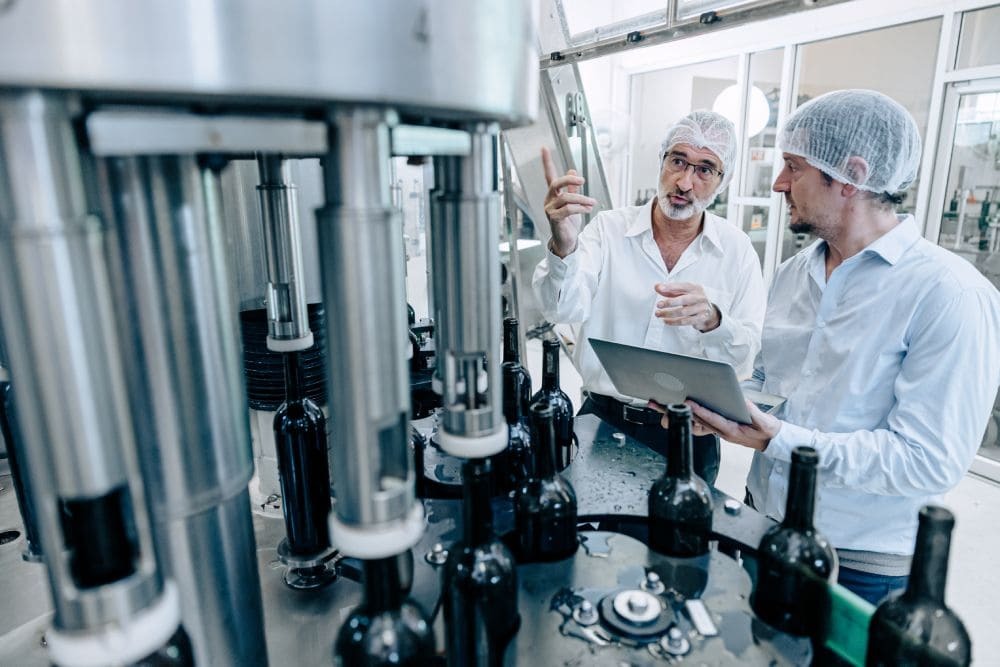
Common Problems with Liquid Packaging Machines (& How to Avoid Them)
Liquid packaging machines are prone to a variety of operational issues, especially when maintenance is overlooked. Understanding these common problems and their root causes can help you take proactive steps to avoid them and ensure uninterrupted production.
Leaks
Leaks typically occur due to worn gaskets, misaligned filling heads, or faulty seals. They can result in product waste, mess, and contamination risks.
To prevent leaks, conduct routine inspections of seals and hoses, and replace any components showing signs of wear. Promptly addressing even minor leaks can prevent major damage or safety concerns down the line.
Sensor Failures
Sensors play a vital role in monitoring fill levels, detecting container presence, and ensuring safety protocols. Dirty, damaged, or misaligned sensors can lead to false readings or operational errors.
Cleaning sensors regularly and recalibrating them per manufacturer specifications will help maintain accuracy. Additionally, securing wiring and ensuring proper installation can prevent intermittent signal failures.
Product Spills
Spills often happen due to overfilled containers, poor timing synchronization, or malfunctioning valves. These spills can result in slippery work conditions and product loss. Avoid this by maintaining correct machine calibration and promptly repairing or replacing faulty filling components. Training operators to monitor fill cycles closely can also help mitigate this issue.
Machine Jams
Jams are frequently caused by misaligned components, incorrect container positioning, or worn-out conveyor belts. These disruptions can bring production to a halt and damage containers.
Preventative measures include aligning mechanical systems, checking container size compatibility, and replacing worn belts. Keeping the working area clear of debris will also reduce the likelihood of jams.
Corrosion & Material Degradation
Machines that handle acidic or corrosive liquids are especially vulnerable to corrosion over time. Rust and material breakdown can compromise machine integrity and contaminate products.
To prevent corrosion and material degradation, use corrosion-resistant components and clean surfaces with appropriate solutions. Implementing a strict post-production cleaning process helps minimize exposure and prolong equipment life.
Practical Liquid Packaging Equipment Maintenance Solutions That Maximize Machine Life
Effective maintenance strategies go beyond quick fixes and reactive repairs. They involve planning, proactive oversight, and a comprehensive understanding of your equipment's lifecycle.
Use these practical solutions to keep your liquid packaging machinery performing at its best for years to come.
Scheduled Preventative Maintenance: Establish Routine Protocols
Proactive scheduling helps catch issues early and minimizes the risk of sudden equipment failure.
Develop a detailed maintenance schedule based on the manufacturer’s recommendations and actual machine usage. Break it down into daily, weekly, and monthly tasks, and use visual checklists to make sure the schedule is consistently followed.
Documenting all maintenance actions also provides a historical log for diagnostics and audits.
Maintenance Logs & Checklists: Standardize Processes
Use structured checklists and digital logs to ensure maintenance tasks are executed consistently. Standardization prevents oversight and helps maintain quality control across shifts.
Accessible logs enable quick troubleshooting and highlight recurring issues. They also support training and process optimization.
Expert Equipment Inspections: Get a Second Set of Eyes
Schedule periodic inspections by certified technicians to conduct in-depth assessments. These experts can spot subtle issues before they escalate into costly problems. Professional evaluations may also reveal opportunities for upgrades or retrofits.
Remote Monitoring Systems: Harness Smart Technology
Install monitoring tools connected to the Internet of Things (IoT) to track performance metrics, temperature, vibration, and more in real-time.
These systems provide early alerts for potential issues, allowing intervention before failure occurs. Over time, they can help identify maintenance trends and reduce costs.
Data-driven insights also support long-term optimization.
Regular Cleaning: Maintain Sanitary & Functional Conditions
Daily and post-shift cleaning removes product residue and prevents contamination or part degradation. Cleaning also provides an opportunity to spot potential wear or damage, and routine sanitation keeps machines compliant with hygiene standards and operating smoothly. Use machine-safe cleaning agents and ensure hard-to-reach areas are included.
Preventative Maintenance Programs: Systematize Long-Term Care
Preventative maintenance ensures comprehensive care across all components and shifts. It also aligns maintenance efforts with production goals.
Implement an overarching program that includes schedules, responsibilities, KPIs, and training modules. Programs can be scaled as your operation grows.
Operator Training: Empower Your Workforce
A well-trained team can identify warning signs, operate equipment efficiently, and perform basic troubleshooting.
Regular refresher training ensures knowledge stays current. Training programs should include safety protocols, machine-specific procedures, and hands-on practice. The more knowledgeable your operators, the better your machine performance.
Spare Parts Management: Stay Prepared for Repairs
Delays due to unavailable parts can result in extended downtime.
Maintain a critical spare parts inventory based on usage patterns and component lifespan, and include supplier contacts and part numbers in your inventory management system. Cataloging and rotating parts helps reduce waste and ensures availability.
Line Integration & Optimization: Ensure System Compatibility
Your liquid packaging machine must work harmoniously with upstream and downstream equipment. Mismatches in speed or capacity can cause bottlenecks or overload. Regularly evaluate line performance and adjust for optimal integration. Investing in automation and synchronized controls also enhances overall efficiency.
Specialized Services: Leverage Manufacturer Expertise
Many OEMs offer specialized maintenance contracts, upgrades, and support services. These services provide tailored solutions, technical knowledge, and priority response. Relying on manufacturer-trained experts ensures your machine gets the care it was designed for.
Contracts can also include periodic audits and system performance reports.
Lubrication Programs: Prevent Friction-Related Failures
Develop a comprehensive lubrication schedule based on the needs of specific components. Use correct lubricants and application methods to reduce heat and wear.
Over-lubrication can be as harmful as under-lubrication, so precision matters.
Troubleshooting Procedures: Respond Quickly to Irregularities
Establish documented troubleshooting protocols for common issues to help operators and technicians respond quickly and effectively.
Clear guidance minimizes downtime and prevents escalation. Include visuals or decision trees to improve usability.
Environmental Control: Protect Against External Factors
Environmental extremes can accelerate wear or interfere with electronics. Maintain temperature, humidity, and cleanliness in the packaging area to prevent external damage to equipment and support product integrity. Installing enclosures or air filters helps maintain a stable operational climate.
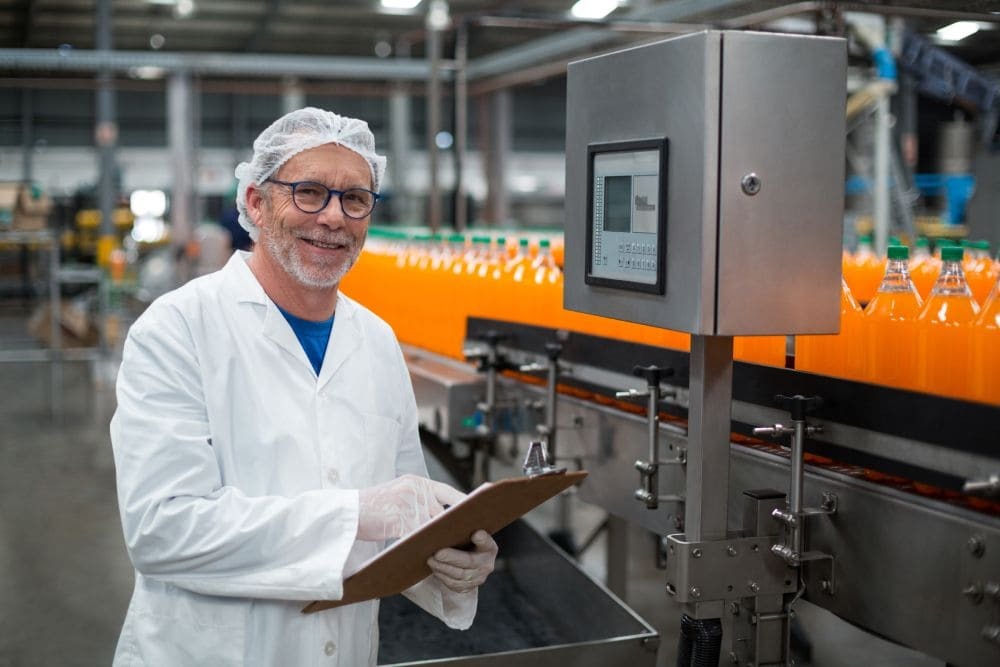
11 Tips to Extend the Lifespan of Your Liquid Packaging Equipment
Prolonging the life of your liquid packaging machinery requires a proactive mindset and consistent attention to detail. The following tips summarize everyday actions that can yield significant benefits in reliability and performance.
1. Prioritize Regular Cleaning
Clean your equipment thoroughly after each production run to remove residue and prevent contamination. Over time, buildup can obstruct valves, degrade materials, and attract bacteria. Make cleaning part of your standard operating procedure. Pay special attention to crevices, nozzles, and seals.
2. Lubricate Moving Parts
Friction can shorten the lifespan of your machine’s components significantly, while routine lubrication helps avoid grinding, overheating, and premature failure.
Lubricate bearings, chains, and other moving parts according to the manufacturer's specifications. And using the right lubricant is essential, as some components require food-grade or high-temperature oils.
3. Implement a Preventative Maintenance Schedule
Sticking to a schedule reduces the likelihood of equipment breakdowns and identifies minor issues before they escalate.
Establish a maintenance calendar and make sure every task is tracked and completed. Include visual inspections, part replacements, and system tests in your schedule. Make sure responsibilities are clearly assigned across teams.
4. Address Leaks Promptly
Small leaks can develop into major failures if left unchecked. Regularly inspect seals, hoses, and joints for signs of leakage, and keep in mind that replacing worn gaskets or tightening fittings can prevent product loss and safety hazards.
5. Provide Proper Training for Operators
Well-trained staff operate equipment more efficiently and safely. Empowered operators are your first line of defense.
Train operators to recognize unusual machine behavior, respond to alarms, and perform routine maintenance. Regular refresher courses help maintain consistency and knowledge retention.
6. Monitor Performance
Performance monitoring helps you make informed decisions about maintenance and upgrades. Many modern machines offer built-in diagnostics or remote monitoring capabilities. Use metrics like production speed, downtime, and error rates to assess machine health, and analyze trends to anticipate and prevent issues.
7. Maintain Material Quality
Poor-quality liquids or packaging materials can cause excessive wear or damage to equipment. Fortunately, using approved materials improves longevity and output quality.
Ensure your supply chain provides consistent, contaminant-free materials, and test materials periodically for compatibility with your machine.
8. Inspect Visual Components Daily
Early detection can prevent major issues and enhance safety. Conduct quick visual checks at the beginning of each shift. Look for loose parts, unusual noises, or misaligned components. Make this a standard routine across shifts.
9. Perform Safety System Checks
Safety systems prevent accidents and also protect equipment from misuse. Test emergency stops, guards, interlocks, and alarms on a regular basis. Document each test and resolve any discrepancies immediately.
10. Replace Worn Parts
Don’t wait for parts to break. Replace them when signs of wear appear to avoid downstream issues.
Additionally, keep track of part lifecycles and stock frequently used items. Proactive replacement helps maintain uptime.
11. Calibrate & Adjust Sensors Regularly
Accurate sensors are key to machine precision and product quality. Sensors that are out of calibration can produce inaccurate results or fail to detect problems, so include sensor calibration in your maintenance schedule.
Keep Your Liquid Packaging Machines Running at Peak Performance with Change Parts
Maintaining your liquid packaging machinery is a strategic investment in quality, safety, and operational excellence. By following a structured approach, training your team, and keeping up with a preventative maintenance schedule, you can make sure your machines perform reliably, efficiently, and for the long haul.
Need expert advice or parts support? Contact Change Parts today to find the solutions and services that will keep your liquid packaging production line running at its best.
 Loading... Please wait...